Introduction
A slow sink drain is one of the most common plumbing complaints homeowners face. At first, it may seem like a minor inconvenience, but slow drainage is often the early warning sign of a larger plumbing issue. Left unaddressed, the same buildup that causes slow drainage can eventually lead to a complete blockage, water damage, or even sewer line problems.
At Trade Pro Plumbing, we regularly help homeowners across Northwest Arkansas resolve slow drain issues before they escalate. Understanding the real cause of the problem and knowing when to call a professional Springdale plumber can save you from expensive repairs and emergency service calls.
What Causes a Sink to Drain Slowly
Most slow drains are caused by gradual buildup inside the pipe. Over time, everyday materials cling to the interior walls and restrict water flow.
Grease and Soap Residue
In kitchen sinks, grease is the number one culprit. Even when washed down with hot water, grease sticks to pipe walls. Soap residue combines with that grease, forming a thick, sticky layer. As food particles pass through the drain, they get trapped in this layer and create a clog.
Hair and Hygiene Products
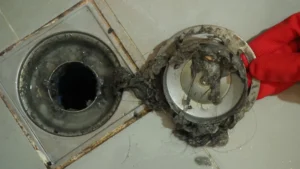
Bathroom sinks commonly slow down due to hair, toothpaste, shaving cream, and soap scum. These materials bind together and form dense clumps that catch additional debris.
Food Waste and Debris
Even with a garbage disposal, certain foods should never go down the drain. Coffee grounds, rice, pasta, eggshells, and fibrous vegetables can accumulate inside the pipes and cause slow drainage.
Mineral Buildup From Hard Water
In Northwest Arkansas, hard water is a common issue. Over time, mineral deposits form inside pipes, reducing the diameter and restricting water flow. This buildup is slow but steady, often going unnoticed until drainage becomes a problem.
Signs the Problem Is Deeper Than a Simple Clog
Not every slow drain is a minor issue. Some symptoms indicate a larger plumbing concern.
- Multiple slow drains throughout the home
- Gurgling sounds from sinks or tubs
- Unpleasant odors coming from the drain
- Water backing up into other fixtures
- Recurring clogs after cleaning
If you notice these warning signs, it is best to contact a professional Springdale plumber for a full inspection.
Why Chemical Drain Cleaners Are Not the Answer
Many homeowners reach for chemical drain cleaners as a quick solution. While these products may provide temporary relief, they rarely solve the underlying problem.
Chemical cleaners typically create a small hole through the clog rather than removing the buildup entirely. The remaining debris continues to collect material, and the clog returns.
These products can also damage pipes. The harsh chemicals generate heat and can weaken joints, corrode metal pipes, and damage older plumbing systems.
Professional drain cleaning removes the buildup completely, restoring full pipe diameter and proper water flow.
How a Professional Plumber Fixes Slow Drains
At Trade Pro Plumbing, we use a proven process to diagnose and correct slow drain problems.
Step 1: Inspection
We examine the affected fixture and surrounding plumbing to determine the cause of the slow drainage.
Step 2: Mechanical Cleaning
Using professional grade augers and drain cleaning equipment, we remove buildup and restore proper flow.
Step 3: Camera Inspection
If necessary, we perform a camera inspection to check for deeper blockages, root intrusion, or pipe damage.
This approach ensures the problem is solved completely rather than temporarily.
When to Call a Plumber
You should contact a professional if:
- The drain remains slow after cleaning
- You experience repeated clogs
- Multiple drains are affected
- You notice sewer odors
- Water backs up into other fixtures
A licensed Springdale plumber can diagnose the true cause and prevent future damage.
How to Prevent Slow Sink Drains
- Proper maintenance can keep your drains flowing smoothly.
- Avoid pouring grease down the sink. Let it cool and dispose of it in the trash.
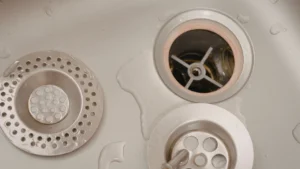
- Use drain screens to catch hair and debris.
- Run hot water after using the sink to help move residue through the pipes.
- Schedule periodic professional drain cleaning.
Why Homeowners Choose Trade Pro Plumbing
Homeowners throughout Northwest Arkansas rely on Trade Pro Plumbing for dependable service and long lasting solutions. Our licensed plumbers use professional equipment and proven methods to solve slow drain issues quickly and effectively.
We focus on fixing the root cause of the problem so your plumbing system stays reliable.
Conclusion
A slow sink drain is more than a minor inconvenience. It is often the first sign of buildup or deeper plumbing issues. Addressing the problem early prevents major blockages, sewer backups, and costly repairs.
If your sink continues to drain slowly, contact Trade Pro Plumbing. An experienced Springdale plumber can identify the issue and restore proper flow throughout your plumbing system.